
We like to picture recycling as a tidy loop: bin, factory, new product. The reality is messier, and
some of the mess ends up in the air we breathe.
What happens during plastic recycling?
Recycling plastic means sorting, shredding, washing, and melting it. Each step can release
something into the air:
• Fumes and VOCs when plastic is heated, especially if it carries ink, adhesive, or food residue
• Fine dust and microplastics from shredding and grinding
• Smoke and odour when mixed or contaminated plastic is melted
In well-regulated facilities with extraction systems and filters, these emissions stay low. The bigger
problem is what happens outside them.
The real danger: burning plastic
When plastic is burned in the open, or in small unregulated units, the smoke carries dioxins, heavy
metals, and fine particulate matter (PM2.5). The World Health Organization names uncontrolled
waste burning among the worst sources of dioxins. These pollutants stay in the body for years, and
one of them is classed as a known human carcinogen. The Central Pollution Control Board also
calls open burning of plastic a major health and environmental issue.
India’s Plastic Waste Management Rules prohibit it, and the National Green Tribunal has banned
open waste burning with fines for violators. Yet a study reported by Down To Earth estimates that
around 5.8 million tonnes of plastic is still burned in the open in India every year. Workers and
nearby communities feel it first.
Is recycling still better than the alternatives?Usually, yes. Properly managed recycling has a lower footprint than making virgin plastic, or
burning and landfilling waste. But plastic loses quality each time it is recycled, so most of it is
eventually downcycled or discarded. Recycling is a safety net, not a solution.
The better question: why start with plastic at all?
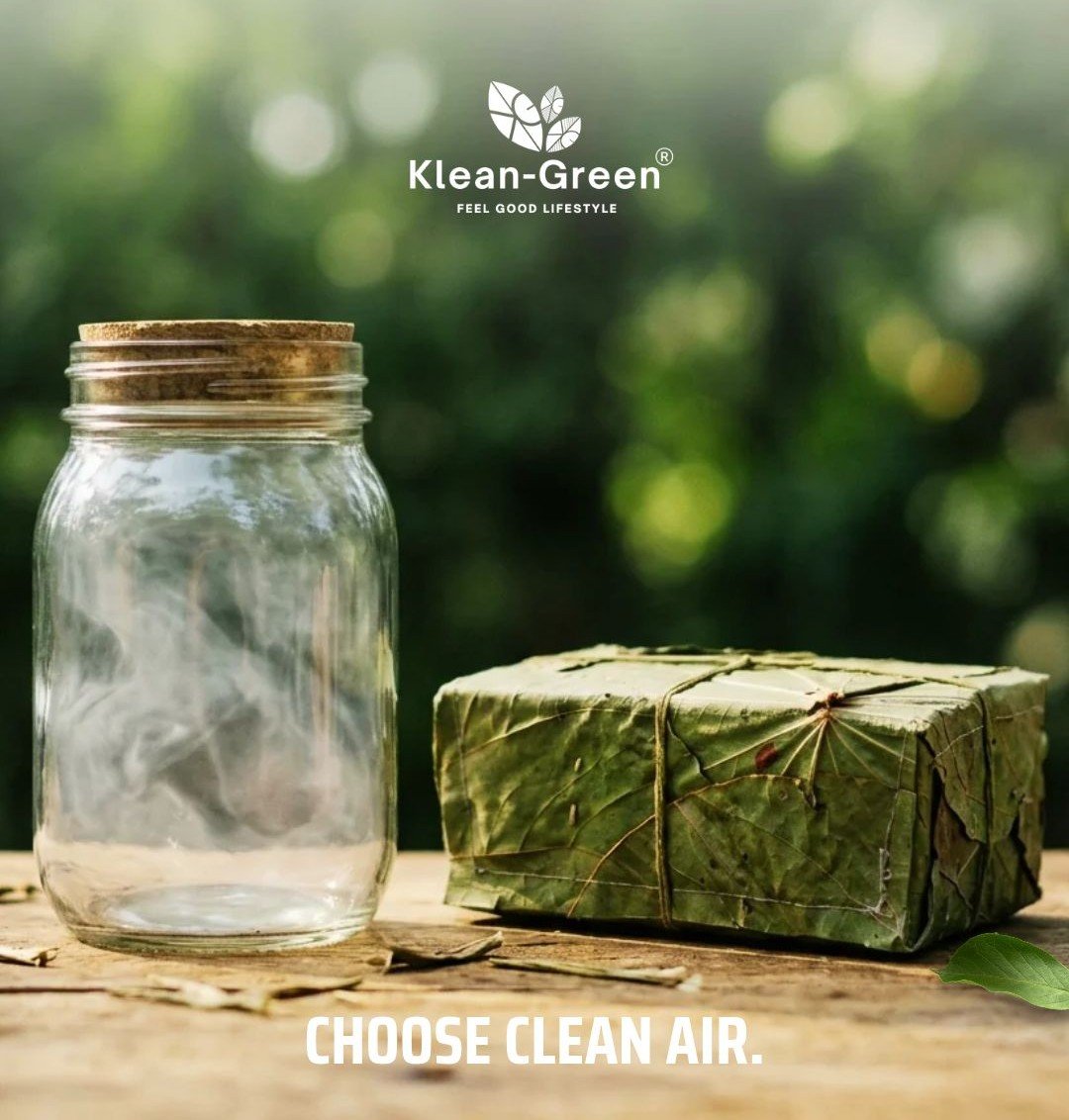
The cleanest waste is the waste that is never created. That is why KleanGreen makes packaging
from wild-harvested Bauhinia Vahlii leaves,handcrafted by rural artisan women.
There is no melting, no fumes, and no petroleum involved. Every piece carries one idea: leaf to
livelihood.
What you can do?
1 Choose plastic free packaging wherever possible.
2 Avoid or try to stop burning of mixed plastic waste around you, even in small amounts.
3 Segregate and clean recyclables so they can be processed safely.
4 Support brands that put people and planet first.
Small switches in how we pack, ship, and gift add up to cleaner air and better livelihoods.
Explore our plastic free packaging at kleangreenindia.com
Sources: World Health Organization, “Dioxins and their effects on human health”; Central Pollution Control Board, “Consolidated Guidelines for Segregation, Collection and Disposal of Plastic Waste”; Plastic Waste Management Rules, 2016 (as amended); National Green Tribunal order on open burning of waste; Down To Earth, “How waste burning across India is quietly fuelling carbon crisis, pollution.


You must be logged in to post a comment.